The Climate Change Blues: Solastalgia Explained

This article makes a brief reference to suicide. If you or someone you know is struggling with suicidal thoughts, help is available. Please call 988 or text START to 741-741. Or go to your nearest Emergency Room.
Have you been feeling extra bummed in the face of all the heatwaves, storm fronts, and temperature fluctuations we’ve been experiencing lately? According to experts, you are not alone. Solastalgia is a term coined in 2003 by philosopher Glenn Albrecht to describe the feelings that come when we witness the impacts of pollution, climate change, and industrial development. The term combines feelings of nostalgia for what our environments, and particularly our homes, once were with our existential dread for what might come next. It also describes our awareness that our lifestyles are changing as a result and may never be the same. These thoughts and feelings do not indicate that there is something wrong with us. Rather they are 100% natural responses to highly abnormal circumstances.
What is Solastalgia?
Solastalgia is not a recognized mental health diagnosis. Rather, the term speaks to the source and quality of distress that may be otherwise classified under a different anxiety, depression, or mood disorder. It may also exacerbate existing mental health concerns like trauma, conduct disturbances, addictive behaviors, or eating disorders. Symptoms may be particularly acute when we experience or are made aware of environmental factors like droughts, forest fires, flooding, clearcutting (tree removal), mining, smog, or extreme weather events. These may cause or exacerbate any number of symptoms including but not limited to: anger, anxiety, depression, despair, distress, fatigue and trouble sleeping, feeling ungrounded or unsettled, feeling unsafe, grief, guilt, helplessness, hopelessness, loss of appetite or overeating, loss of identity, recovery fatigue, restlessness, or suicidal thoughts or behaviors.
While solastalgia may tend to show up more in people whose livelihoods are directly tied to the environment, like those who work in agriculture or the natural sciences, people from all walks of life are vulnerable to solastalgia. For example, a family who takes an annual trip to an apple orchard may feel discomfort as they notice landscape changes from year to year. A person who enjoys hiking a favorite trail may notice streams drying up or certain flora or fauna being more scarce. Adolescence and young adults may be particularly affected due to fears for their futures and anger at previous generations for their lack of action to prevent further decline.
How to Address Solastalgia
It may be hard for individuals to wrap their heads around the scale of major environmental changes, and solastalgia may feel inevitable. Luckily, there are steps that we can take to lessen its impact, so we can focus on improving the quality of our lives and those of our local and global neighbors.
Identify The Problem: Remember that while our individual carbon footprint matters, it is important that we recognize how larger institutions like corporations and governments incur and enable more mass scale destruction. If we believe that environmental destruction is entirely our fault, it is easier to become hopeless and lose motivation to create change. We can both do our part but also hold institutions accountable at a structural level.
Stay (Somewhat) Informed: If we wish to address the causes of climate change, it is important that we educate ourselves. However, it is equally important that we are intentional about both the quantity and quality of information we consume and how it may be impacting our mood. We can both stay informed and make sure that our sources are credible, objective, and allow us to pivot towards action. It is entirely acceptable to limit our exposure to overwhelming amounts or types of climate change news if it helps us to stay mentally healthy.
Get Involved: Joan Baez was correct when she said, “Action is the antidote to despair.”* For both psychological and evolutionary reasons, people tend to feel better when they not only acknowledge an issue but also have an opportunity to do something about it. We can attend meetings of our local government, get involved in local environmental movements, run for office, or work on efforts to educate adults and children in our communities.
Process Our Individual Feelings: While feelings of solastalgia are uncomfortable, they are similar to other types of grief in that intensity and impact can be reduced when we intentionally process them. We can journal about our feelings; create written, visual, or performance art with ecological or nature-based themes; or use religious or spiritual rituals to integrate our feelings and reduce their negative impact.
Talk to Others: We can talk to like-minded friends or family, members of the clergy, and professional therapists who are empathetic to our feelings. Many of our most difficult thoughts and emotions are based in fear, and solastalgia is no different. Knowing that we are not alone in our concerns and sharing them with trained helpers help us better understand what is and isn’t in our control, determine our values, and motivate behaviors that will assist in care of both ourselves and our environments.
If you resonate with any of what is written above, it may be comforting simply to know there is a word for what you are feeling and that you are not alone – that solastalgia is a very real form of distress that is gaining wider recognition in the mental health community. For others, recognition may only be a first step in a longer process. The good news is that with wider recognition comes more outlets and resources to process our grief – a trove that will only grow as we face our uncertain future.
+++++++++++++++++++++++++++++++++++++++++++++++++++++++++++++++++++++
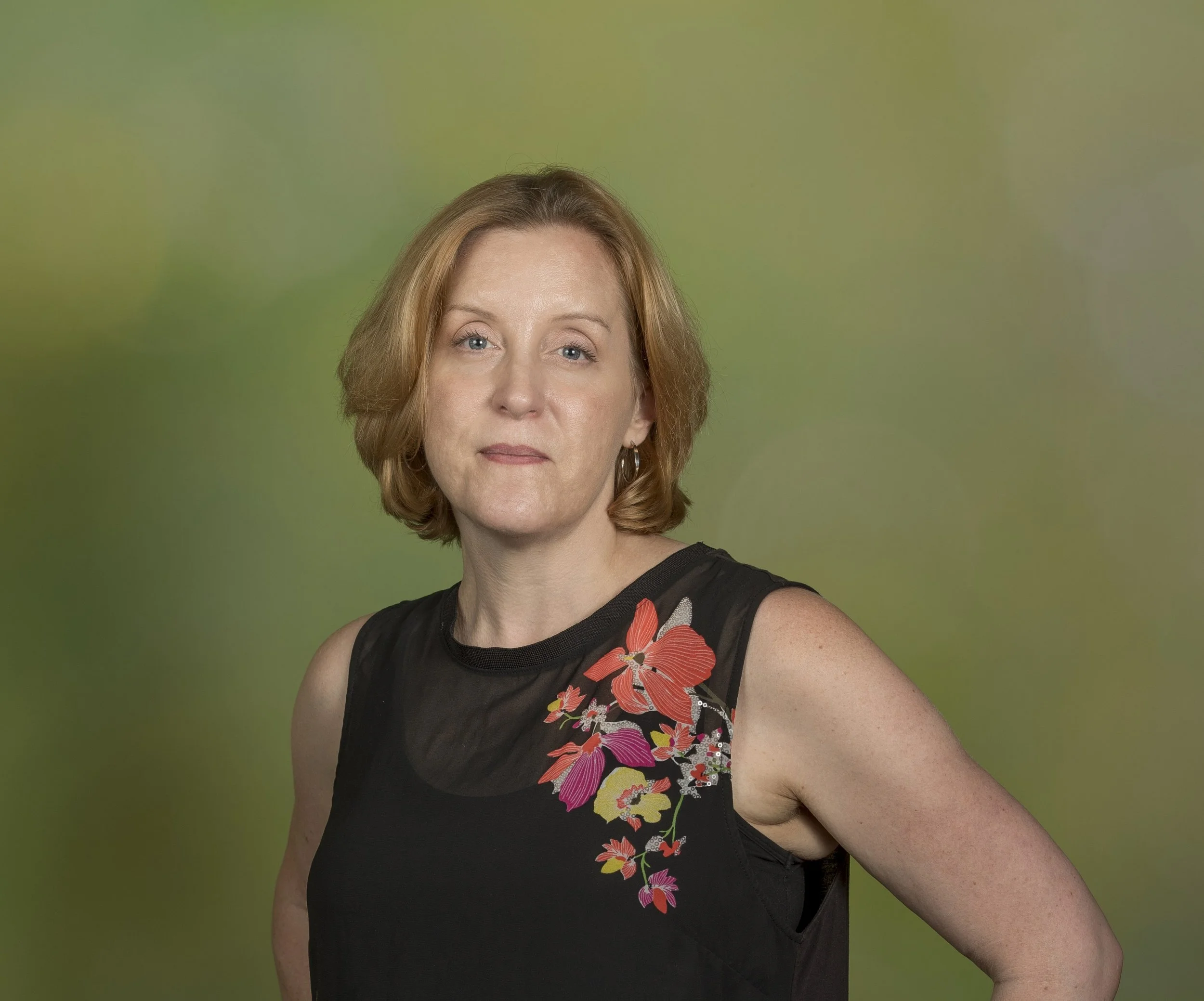
Our modern life is full of stressors, including those caused by environmental, economic, and political realities. Dr. “E” Elisa Curl-Woodruff (she/they) has extensive experience working with clients impacted by both acute and systemic traumas, including those who identify as marginalized due to their internal and external identities. Dr. Curl-Woodruff holds certificates in Neuropsychotherapy (exercises that help to strengthen and balance the brain), EMDR (Eye Movement Desensitization and Reprocessing), the Assessment and Treatment of Attention Deficit Disorder, and Insomnia. They also practice a cannon of tried and true talk therapies, especially cognitive and psychodynamic models. Dr. Curl-Woodruff is currently taking new clients. Call 630-297-7559 to set up an appointment!
*See our blog on this subject: https://www.thompson-tm.com/blog/action-is-the-antidote-to-despair