Tools for A Healthy Brain
Tools for A Healthy Brain
This blog is being released as a primer for a workshop series that Dr. E Curl-Woodruff of Thompson Therapeutics will be hosting at the DeKalb Public Library. The sessions will take place on the third Tuesday of each month, from July to October, with Dr. E covering a sub-topic in each. Participants may attend one, some, or all sessions for FREE. For more information, go to: https://dkpl.org/events/#/events/Vesfz9vVkd/instances/DwxRqxe4Ch/
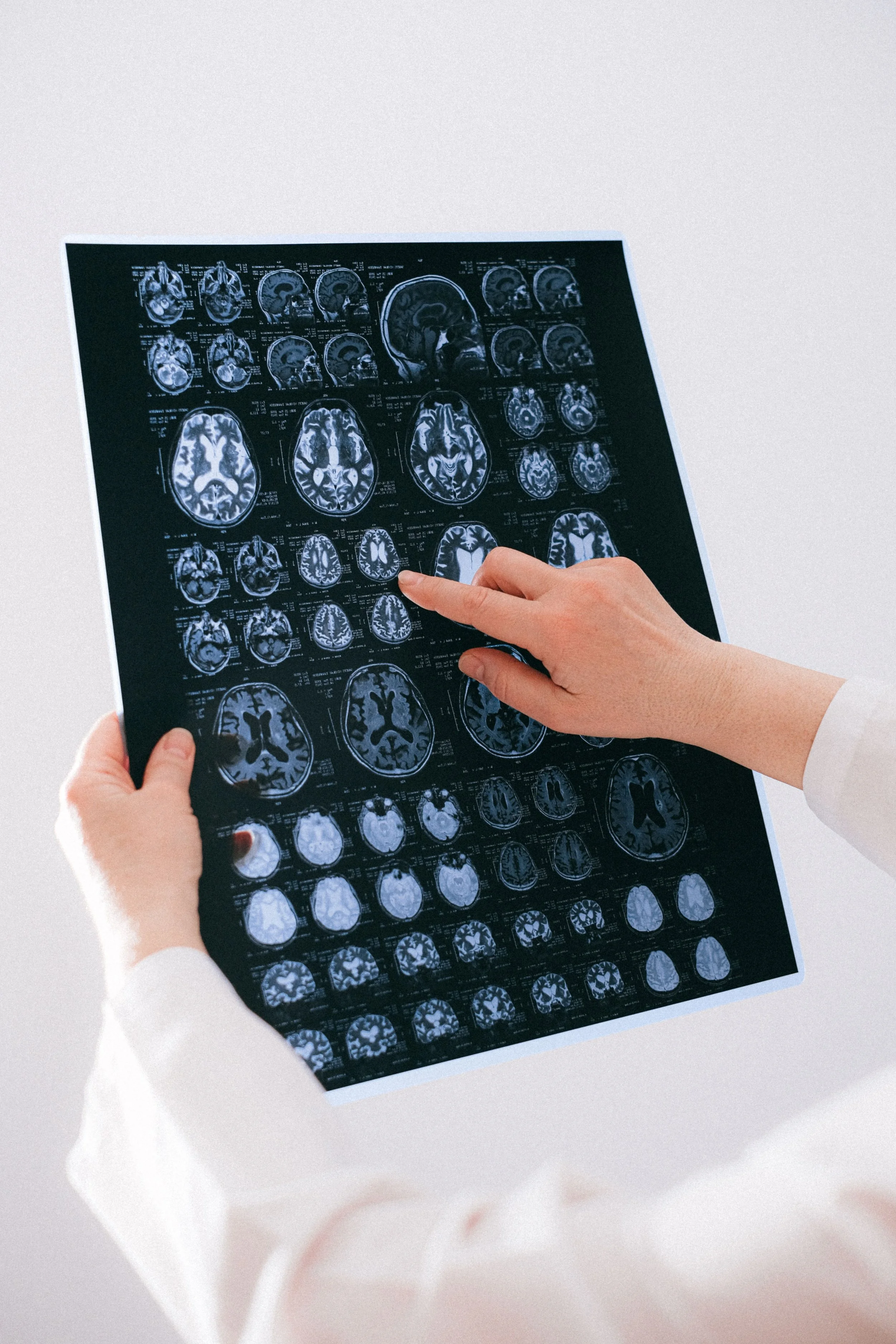
It weighs only 3 pounds and makes up about 2% of your body mass (if you are an adult), but it uses 20% of your energy. You may be familiar with the idea that certain areas are responsible for certain vital functions – like keeping your heart going and regulating your blood sugar – to those things that make you you – memories of your childhood to the fact that you can shoot a bow and arrow. We are, of course, talking about the human brain – an organ that doesn’t have any direct contact with the outside world – floating in the cavity that is your skull – but which is responsible for communicating with the rest of your body to receive signals, interpret them, and determine appropriate responses. Your brain has evolved over hundreds of millenia with a primary purpose of keeping you alive, and yet, to say that your mind is just a combination of survival instincts doesn’t really give justice to how it creates things like consciousness – the experience of existing. It is for this and many other reasons that the brain has been called the final frontier of science – in some ways more mysterious than space and the universe itself – and one that scientists are just beginning to understand.
We only get one brain, and taking care of it is an important part of preserving and strengthening our wellness as we get older. There is no time better than the present to learn how to take care of your brain, so you can live the highest quality life possible for as long as possible. Below are 8 areas of lifestyle that can help you preserve and strengthen your brain for the long run.
Defining Wellness
This article is a very general overview of certain habits that can assist in increasing your wellness across the lifespan. Wellness is different from health in that it is a direction, not a destination, and was defined by the World Health Organization as “not merely the absence of disease”. Wellness and those factors that we consider when quantifying it, may vary between individuals as well as for a single individual across the lifespan. That is, what may be considered a wellness goal for an Olympic athlete may be quite different for an octogenarian, and what may be considered wellness for the Olympic athlete when they are at a competition may be very different from what they consider wellness when they are at home.
As a result, please note that what is written below is a very high level discussion of various lifestyle habits and wellness goals that may benefit brain health. Your individual interpretation of these is highly dependent on your individual strengths and challenges, your stage of life, and your values. Before changing any of the habits below, it is important that you check with professionals such as your doctor, nutritionist, or physical therapist, who can adjust these recommendations for your individual situation and help you create goals that are relevant and achievable.
Medical Surveillance
Our culture tends to treat physical health and mental health as separate, but we must treat them as one and the same. For survival reasons, the signals that travel from our body to our brains are actually stronger than those that travel from our brains to our bodies. Something as simple as a vitamin deficiency can impact and even have a structural impact on our brains in the long term, as can chronic pain, infections, and the health of such sensory organs as our eyes and ears. Regular check ups from our doctors and early interventions on any problems that are discovered is a sure way to protect our brains in the long run.
Nutrition
Our brains use about 20% of the energy that our body needs in a given day, and we need to feed them high quality foods for optimum efficiency. It is important that they receive a balanced amount of macronutrients – fats, proteins, and carbohydrates – as well as adequate amounts of various vitamins and minerals. We can also help them by reducing the amount of processed and ultra-processed foods we consume, getting adequate hydration, and trying to avoid pesticides and other chemicals.There are a lot of fads out there when it comes to nutritional supplements for our brains, so it is best to talk to our doctors or enlist the help of a nutritionist to make sure our eating habits are aligned with our personal health histories and personal goals.
Rest
Our bodies spend a great deal of time cleaning themselves and repairing old tissue when we are asleep, and our brains are no different. Our brains use the time that we are asleep to perform a number of really important tasks, including cleaning out toxins, pruning inefficient cells, and consolidating our memories. We can help them do this by trying to keep a fairly regular sleep schedule through out the week and practicing good sleep "hygiene" by avoiding stimulating things like devices before bed and sleeping in a cool, dark, uncluttered room. While sleep aids may be helpful in the short term, natural sleep is the most restorative. If we are having difficulty sleeping, we can find a therapist trained in sleep concerns.
Environmental Factors
Our brains and bodies evolved for hundreds of thousands of years before being exposed to many of the factors that are currently in our environments. Our ancestors encountered only a fraction of the sounds, lights, and distractions that we find in our modern, technology-filled age. Advances in modern life have additionally exposed us to more toxic chemicals, diseases, and other environmental concerns than those who lived even a few generations back. We can start simply by decluttering our homes, but we may also wish to limit our exposure to certain plastics and metals, neurotoxins, and other chemicals. We may also wish to undergo an environmental home inspection to check for leaks, molds, or other hazards.
Movement
For most of human history, survival was dependent on an individual’s ability to engage in bottom-up processing – utilizing one’s senses to make sense of the world. Since the industrial revolution and the subsequent information revolution, people have moved their bodies far less than they were evolved to do. Something as simple as a ten minute walk after a large meal can have significant cognitive benefits as the increased metabolism helps to flush toxins, regulate stress hormones, and bathe our brains in neurotransmitters that increase our cognitive abilities. Novel movements – defined as those that we don’t normally do – are especially useful in that they force us to use our hippocampus and prefrontal cortex – two areas linked to memory and problem solving. Examples of novel movements include yoga, Pilates, Barre, and dance, but really, they can consist of any exercise we are not used to doing.
Attention
Human attention is defined as our ability to notice information and react to it. We are biased to notice new information for reasons related to our survival. Those that noticed when a tiger entered our area, a storm front was building, or a plant looked different were more likely to live to pass on their genes. However, in our current environment, the amount of new information can overwhelm our brains. Constant noises and flashing lights, news alerts, text messages, cars driving by, and people everywhere give our brains so much new information that it is not akin to drinking out of a fire hose; it is more like Niagara Falls. We can increase our attention by lowering our exposure to those sorts of stimuli – especially those that move quickly and repeat – such as social media feeds - and engaging in activities that require patience and diligence. If given a chance, we should call a friend instead of texting them; read a book instead of a social media post; and exercise in silence or to sounds of nature instead of while listening to music or podcasts. We can also try to pay attention to the quality of our attention – not just the length of it – practicing mindfulness when interacting with others.
Social Contact
Increasing our in person social contact with others has a number of brain benefits. These include enhanced feelings of self-worth and increased stimulation due to the additional sights, sounds, and other senses that are sparked when in the same space with another. For some, the ability to feel safer knowing that others care about us and we care about them can have major benefits – allowing the fear and survival based parts of our brains to take on less responsibility – and allowing other parts to take priority. The simple act of engaging with someone in a nuanced way also increases our ability to empathize, entertain gray areas, and engage in healthy conflict.
Hobbies/New Learning
Finally, we can and should continue to try to engage in new activities and learn new information across the lifespan. Those who do are more likely to spend time outside their homes, meet new people, and move their bodies – impacting many of the factors discussed above. In addition, new activities and learning forces us to use our senses, focus our attention, engage in a curious way, and set short and long term goals. It also reminds our brains that we can continue to form new neural connections, and have some fun in the process.
Setting Goals
As we look at the 8 factors listed above, we may feel overwhelmed. But brain health isn’t about changing everything overnight. Small repeatable changes are what make for lasting results when it comes to brain health. So, as we look over what we have read above, we might ask ourselves what a very simple change is that we can implement right away. Maybe that’s calling our Primary Care Provider for a long-overdue physical exam or implementing a 10 minute walk after dinner tonight. We can also create longer term goals that may take more steps and can be built up over time.
++++++++++++++++++++++++++++++++++++++++++++++++++++
Interested in learning more about your brain and tools that can make it healthier? Please join Dr. “E” Elisa Curl-Woodruff at the DeKalb Public Library on July 21, 2026 at 6pm for a free interactive workshop. If you are interested in more individual attention, E is now taking new clients. You can set up an appointment by calling 630-297-7559.